About Pasadena
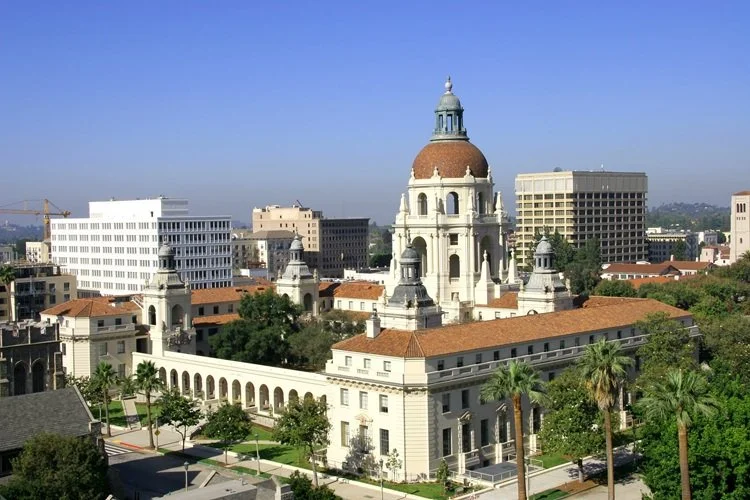
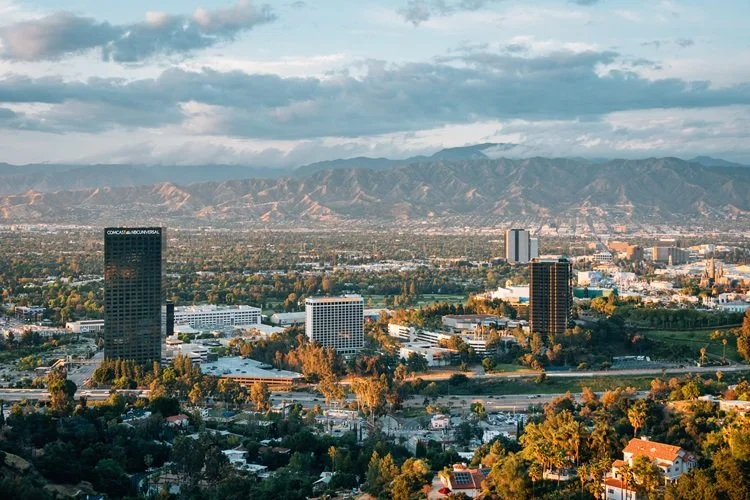
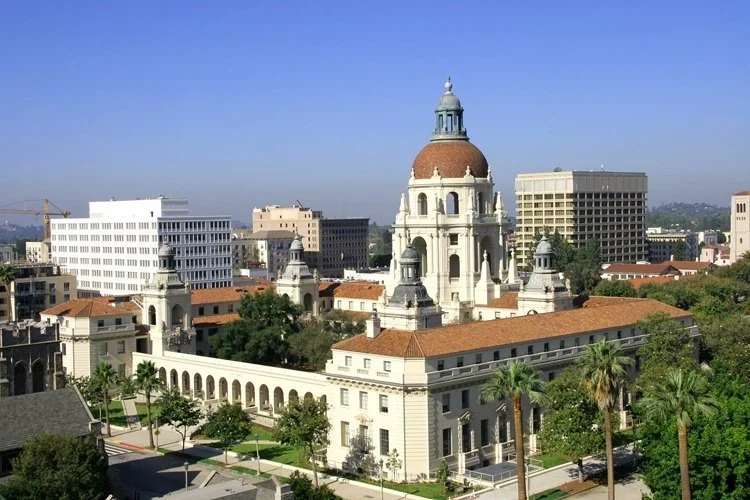
Nestled at the base of the San Gabriel Mountains, Pasadena has long stood out as a distinctive city with a character all its own — a place where architectural heritage, cultural depth, and community spirit converge to create a vibrant Southern California destination. From its early days as a health-oriented resort town to its modern identity as a hub for science, art, and design, Pasadena blends historic preservation with forward-looking development.
Below we explore Pasadena’s history, residential evolution, architectural identity, institutions, notable residents (including actors, writers, and thinkers), schools, parks, cultural attractions, and key demographic and economic statistics — creating a comprehensive portrait of one of the region’s most beloved cities.
A Deep History: Before and After Incorporation
Long before European settlers arrived, the land that is now Pasadena was home to the Tongva people, whose villages lined the Arroyo Seco and surrounding valleys for thousands of years. With the arrival of the Spanish in the 18th century and the establishment of Mission San Gabriel in 1771, this land became part of the mission-era ranchos that defined early Southern California life.
In 1874, American pioneers such as Colonel Jabez Banbury and John Hunt Painter — early settlers who helped establish Pasadena’s civic and economic roots — laid the groundwork for growth. Banbury was one of the founders of the Pasadena Republican Club and the city’s first treasurer, while Painter built La Pintoresca Hotel, which became an important social and economic landmark in early Pasadena.
Incorporated in 1886, Pasadena quickly embraced its climatic advantages, promoting itself as a destination for those seeking sunny winters and healthier living. This reputation fueled growth that led to economic diversification and a blossoming civic life.
Pasadena’s Character: Culture, Creativity, and Community
More than just a collection of neighborhoods, Pasadena has a distinct cultural identity that has attracted creators, thinkers, and innovators across generations:
Science and Research: Pasadena is home to world-renowned scientific institutions, including the Jet Propulsion Laboratory (JPL) and the California Institute of Technology (Caltech), whose contributions to space exploration and physics resonate globally.
Arts and Design: Its artistic heritage includes a legacy of architectural innovation, from Arts & Crafts pioneers to mid-century designers. Startling creative energy continues to infuse cultural institutions such as the Norton Simon Museum and ArtCenter College of Design.
Hollywood and Storytelling: Pasadena’s social fabric has been shaped by writers, actors, and storytellers. As author and TV producer Stephen J. Cannell reflected about growing up locally, “I was born in L.A. County Hospital, but I grew up in Pasadena. I married my 8th grade sweetheart…” — a testament to the city’s influence on creative lives.
Residential Development: Pasadena Through the Architectural Eras
Late 19th Century & Early 20th Century: A Garden City in the Making
Pasadena’s early development emphasized the landscape: broad boulevards, generous setbacks, and gardens that reflected both health-oriented living and the romantic spirit of the era. As settlers arrived, they built homes and planted the trees that today define many historic neighborhoods throughout the city.
The Bungalow Boom and Craftsman Tradition
From roughly 1900 to the 1920s, Pasadena became a national center for Craftsman and Arts & Crafts residential design — a style emphasizing craftsmanship, natural materials, and harmony with landscape. Today, these homes remain some of the city’s most cherished residences, preserving architectural detail that countless buyers seek.
Architect Myron Hunt, a key local figure in early 20th-century Southern California architecture, contributed to Pasadena’s built form and helped shape its aesthetic at a time when Greene & Greene and other designers were establishing regional architectural definitions.
1920s–1940s: Revival and Mediterranean Influences
As tastes evolved, Pasadena embraced Spanish Colonial and Mediterranean Revival styles — stucco walls, red tile roofs, and lush landscaping made these homes feel at home in Southern California’s sun and proximity to outdoor life.
Mid-Century and Postwar Evolutions
After World War II, new residential styles and suburban growth patterns influenced Pasadena, resulting in mid-century ranch homes, open-plan designs, and modernist influences that still contribute to the city’s architectural diversity today.
Preservation and Renewal
A defining feature of Pasadena’s development has been robust preservation efforts. Rather than erasing the past, the city reinvested in its neighborhoods and downtown, successfully blending old and new. Historic districts, adaptive reuse initiatives (especially in Old Pasadena), and civic pride have helped maintain the city’s unique identity.
Architectural Styles You’ll See in Pasadena
Here’s a snapshot of the architectural vocabulary that makes Pasadena’s streets visually remarkable:
Craftsman and Arts & Crafts Bungalows: Exposed rafters, woodwork, and deep porches make these homes endlessly beloved.
Bungalow Courts: Unique to Southern California, these small clusters of homes around shared gardens are classic Pasadena.
Spanish and Mediterranean Revival: Stucco, tile roofs, arches, and courtyards reflect Pasadena’s climate and aesthetic.
Tudor Revival: Storybook charm, steep roofs, and chimney details characterize these homes.
Mid-Century Modern: Clean lines and indoor-outdoor connections express postwar American design.
This mix creates a city where it’s common to walk a few blocks and witness a tapestry of architectural eras harmonizing together.
A Guide to Pasadena Neighborhoods
One of Pasadena’s greatest strengths is that it isn’t a one-note city. Each neighborhood has its own rhythm, architectural flavor, and lifestyle appeal, which is why buyers often focus as much on micro-location as they do on the home itself. Below is a practical guide to Pasadena’s most recognized neighborhoods and what distinguishes each one.
Old Pasadena (Downtown Pasadena)
Old Pasadena is the city’s historic commercial heart and one of the most successful downtown revitalization stories in Southern California. Once threatened by decline in the mid-20th century, it is now a thriving district filled with restaurants, boutiques, galleries, and preserved brick buildings.
Residential options here are primarily condos, lofts, and mixed-use developments, often within restored historic structures. Buyers drawn to Old Pasadena typically value walkability, access to dining and nightlife, and a more urban lifestyle within a classically designed environment.
Playhouse District
Just east of Old Pasadena, the Playhouse District blends culture, convenience, and residential living. Anchored by the Pasadena Playhouse and nearby cultural institutions, this area offers newer condominium developments alongside historic buildings.
It’s especially appealing to buyers who want proximity to downtown amenities without being directly in the busiest corridors. Expect a mix of professionals, downsizers, and those who prioritize walkability and transit access.
Bungalow Heaven
Designated as one of Pasadena’s earliest landmark districts, Bungalow Heaven is a showcase of Craftsman and early 20th-century residential architecture. Tree-lined streets, front porches, and a strong sense of neighborhood identity define this area.
Homes here are highly sought after, particularly by buyers who value architectural integrity, preservation, and community involvement. Inventory tends to move quickly, especially for well-maintained or thoughtfully updated properties.
Madison Heights
Madison Heights is one of Pasadena’s most prestigious and historically rich neighborhoods. Located just south of Old Pasadena, it features larger homes, manicured streets, and a mix of Craftsman, Colonial Revival, and Mediterranean estates.
The neighborhood’s proximity to downtown, combined with its quiet residential feel, makes it especially appealing to buyers seeking space, character, and long-term value. Many homes here date back to the early 1900s and reflect Pasadena’s era of grand residential design.
South Pasadena Border / Southeast Pasadena
Southeast Pasadena offers a slightly more suburban feel while maintaining strong architectural character. Streets are wide and residential, with a mix of Craftsman, traditional, and mid-century homes.
This area often attracts families looking for quieter streets, yard space, and convenient freeway access, while still remaining close to Pasadena’s cultural core.
North Central Pasadena
North Central Pasadena includes a variety of residential pockets with more approachable price points compared to the city’s southern neighborhoods. You’ll find Craftsman homes, bungalow courts, and smaller single-family residences.
This area continues to see reinvestment and thoughtful renovation, making it appealing to buyers seeking character homes with long-term upside.
East Pasadena
East Pasadena tends to feel more residential and low-key, with postwar homes, ranch styles, and mid-century influences. Lots are often slightly larger, and streets are quieter, appealing to buyers who prioritize privacy and space.
It’s a popular area for those who want Pasadena living with a more traditional suburban layout.
San Rafael Hills (Southwest Pasadena)
Tucked against the hills near the Arroyo Seco, San Rafael offers some of Pasadena’s most scenic residential streets. Homes here often enjoy elevation, views, and a sense of separation from the busier parts of the city.
Architectural styles range from Spanish Revival to mid-century modern, with larger lots and a strong emphasis on indoor-outdoor living. This neighborhood attracts buyers who want a quieter, more tucked-away experience without leaving the city.
Linda Vista
Linda Vista sits near the Rose Bowl and is known for its hillside homes, winding streets, and commanding views. Properties here tend to be larger, with architectural styles ranging from traditional to modern.
The neighborhood appeals to buyers who want privacy, views, and proximity to nature while remaining close to Pasadena’s cultural and commercial centers.
Notable Residents: Actors, Writers, Innovators, and Cultural Figures
Pasadena’s creative legacy isn’t confined to buildings — it extends into the lives and works of people associated with the city:
Jackie Robinson: The Hall of Fame baseball legend and civil rights pioneer grew up in Pasadena’s Pepper Street neighborhood. Stories from his youth there reflect both community bonds and the challenges of his era, underscoring Pasadena’s layered social history.
Octavia Butler: Though born in nearby Pasadena/Altadena and better known for her groundbreaking science-fiction work, Butler remains deeply tied to the region’s cultural legacy. Her famous line, “All that you touch, you change. All that you change changes you,” reflects a contemplative ethos that resonates with Pasadena’s creative community.
Eddie Van Halen: The legendary rock guitarist spent his formative years in Pasadena, where he attended local schools and developed the musical foundation that would catapult him to global fame.
Stephen J. Cannell: Writer and television producer who reflected fondly on getting his start in the Pasadena community.
These figures, from sports pioneers to authors and musicians, embody aspects of Pasadena’s cultural richness and its ongoing influence beyond the city limits.
Schools in Pasadena: From Public to Private
Public Education (Pasadena Unified School District)
Pasadena Unified School District (PUSD) serves families across the city, with a spectrum of options from elementary schools to high school and alternative programs. Families often consider PUSD’s offerings alongside Pasadena’s residential neighborhoods when planning moves.
Private and Independent Schools
The region also features notable private, independent, and faith-based schools — including long-established programs and highly regarded college-preparatory environments. These options contribute to Pasadena’s appeal for families seeking varied educational environments.
Cultural Attractions and Institutions
Pasadena’s cultural life is both broad and deep. A few highlights include:
Norton Simon Museum: Masterworks of European and Asian art anchor Colorado Boulevard’s cultural offerings.
Pasadena Playhouse: Historic theater and performance space showcasing professional productions year-round.
Rose Parade and the Tournament of Roses: Since 1890, this New Year’s tradition has become an iconic celebration of floral design, community, and spectacle.
Vroman’s Bookstore: Founded in 1894, this independent bookstore has been a literary anchor for generations.
Huntington Library and Gardens (nearby): A world-class research library, museum, and botanical garden that deepens the region’s cultural tapestry.
Parks and Outdoor Spaces
Pasadena’s commitment to parks and open space enhances daily life:
Brookside Park: A major recreational hub next to the Rose Bowl with sports fields, picnic areas, and gardens.
Arroyo Seco Trails: Natural landscapes and trails connect Pasadena to broader regional outdoor experiences.
Neighborhood Parks: Pasadena’s park network includes playgrounds, greenspaces, and community centers that support active living and year-round leisure.
Pasadena by the Numbers
Here’s a snapshot of key demographic and economic figures that illustrate Pasadena’s scale and vitality:
Estimated Population: ~137,195 (2024)
Median Household Income: ~$103,778 (2019–2023 dollars)
Median Home Value: ~$1,045,000
Owner-Occupancy Rate: ~42%
These figures reflect Pasadena’s status as both a historic city and a modern, economically diverse community.
Why Pasadena Continues to Matter
People choose Pasadena for many reasons: rich architecture, vibrant culture, excellent schools, and a walkable urban fabric that still feels intimately local. Whether drawn by historic Craftsman homes or the city’s role in advancing science, arts, and ideas, residents and visitors alike discover a place where heritage and innovation intersect.
If you’d like tailored information — for example, suggestions on neighborhoods based on home styles, budgets, or school priorities — just let me know and I can help guide you to areas that fit your goals.
Interested in learning more about Pasadena?
Get in touch with David Rosen to learn more about upcoming listings and local real estate trends.